Text Detective — an educator's view
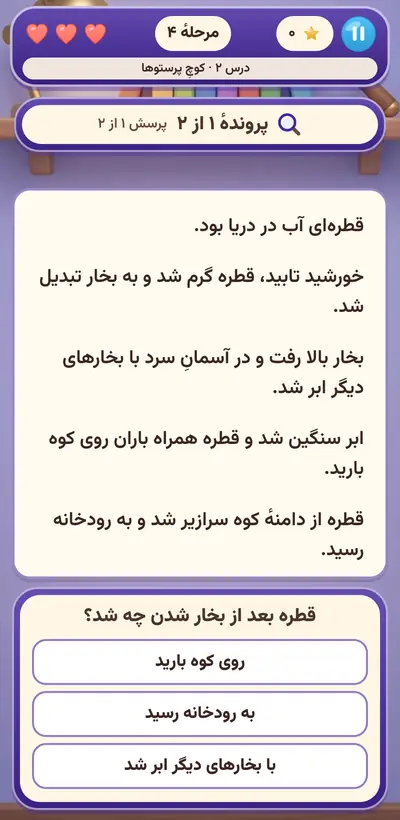
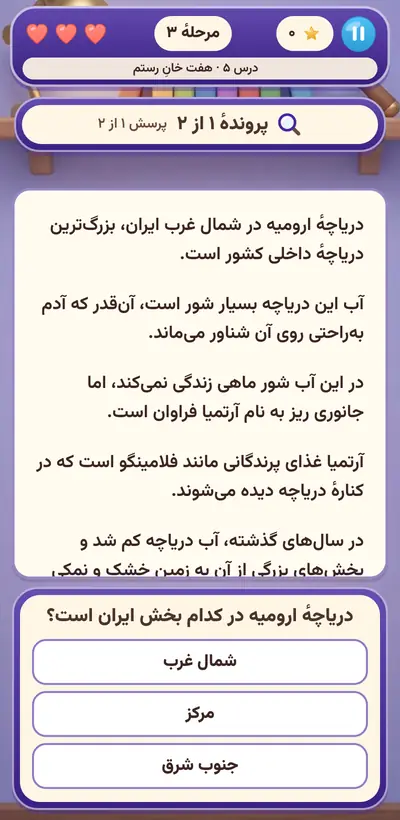
Many children answer reading-comprehension questions by guessing, without going back to the text. Text Detective works precisely on this habit. The child reads a short passage sentence by sentence, answers a three-choice question, and then has to point to the clue sentence in the text. The questions start with “who, where, when” in grade 3 and build up to “why did this happen,” “the best title,” “what happens next,” and by grade 6, “fact or opinion.”
Answering with evidence from the text
The clue step forces the child to bring evidence for their answer. This is exactly the skill teachers look for in comprehension questions: “how did you know that from the text?” The child gradually learns to give an answer they can defend.
Reading between the lines
Questions like “how did they feel?” and “what kind of person are they?” don't have their answer written directly in the text. The child has to infer it from a character's actions and words. This inference, one of the higher levels of reading comprehension, gets practiced here step by step.
Monitoring your own understanding
When the child can't find the clue sentence, the game just says the clue is at the start, middle, or end of the case. They have no choice but to reread and ask themselves what they missed. This “thinking about your own understanding” is called metacognition.
A choice that fades, not disappears
A wrong choice is just dimmed and set aside, and the game invites the child to reread the case. Because the text is always right there in front of them, the child learns the solution lies in the text itself, and that rereading is a smart move, not a sign of weakness.
A tip for parentsWhen you read a story to the child, sometimes stop and ask “how do you know that?” Let them point with a finger to the relevant sentence in the book. For older grades, discuss a simple news item together — which part is fact and which is the writer's opinion.
 Nikipoo School



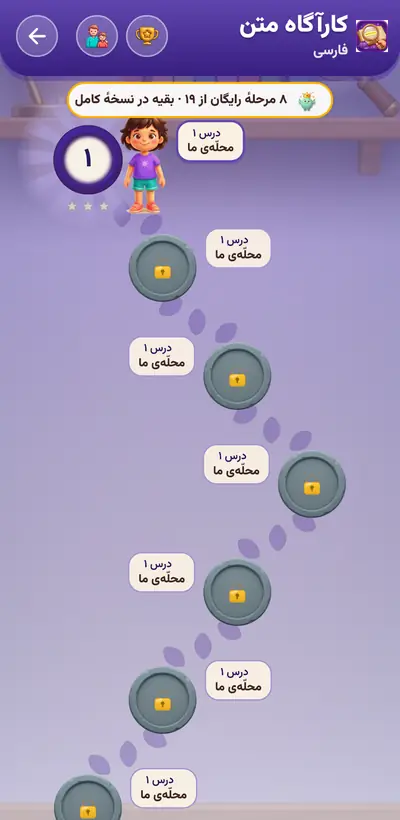
 Grade 319 levels
 Grade 420 levels
 Grade 519 levels
 Grade 620 levels