Little Weather Watcher — an educator's view
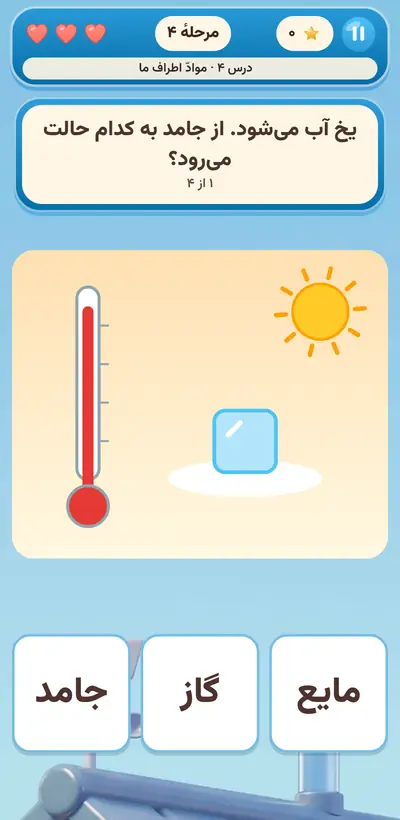
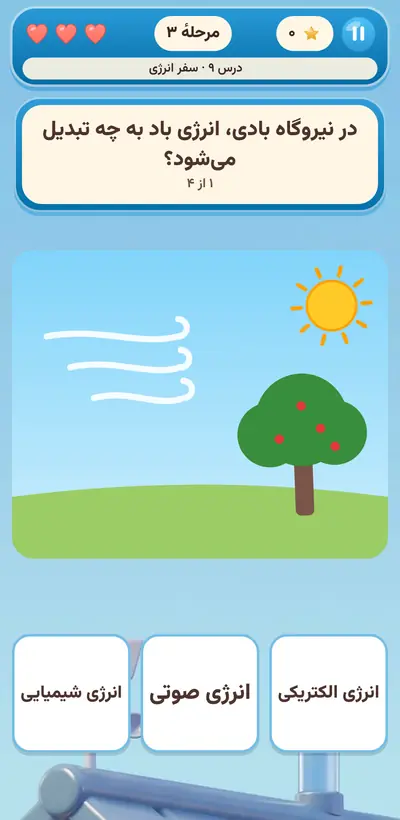
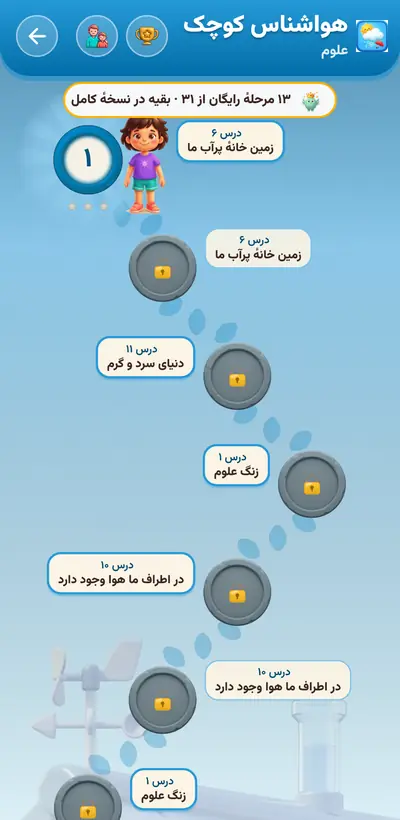
Little Weather Watcher teaches the child to draw a conclusion from cues in their surroundings. An animated scene sits at the top — a rainy sky, an autumn tree, a thermometer or a weather calendar — and the child reads it to say what the weather is like, which season it is, or what happens to water. In grade 1, they dress a figure with the right clothes and umbrella; in grade 2, they arrange the seasons in order; and in higher grades they move on to the three states of water, temperature in degrees, the water cycle, heat transfer, lightning, and wind and solar energy.
Going from a cue to a conclusion
The child has to tell from dark clouds and drops that rain is coming, or from bare branches and snow that it's winter. This is inference: reaching something unstated from what's observed — a skill also at work in understanding a story and solving problems.
A first taste of reading data
From grade 2, a weather calendar and a picture chart enter the game: how many sunny days were there? which weather was most common? The child gets their first experience reading data on a familiar topic and sees that counting and comparing matter in science too, not just in a math notebook.
Deciding for their own health
In the dress-the-figure rounds, the child picks a hat and gloves for a snowy day, a sun hat for strong sunlight, and a safe spot for a thunderstorm. Scientific knowledge here turns directly into a decision about caring for themselves — a bridge from knowing to doing.
Order within change
The order of the seasons, water freezing and turning to steam, and the cycle of evaporation, condensation and rainfall show that nature keeps changing but its changes follow a pattern. If the child can't find the right card, after two tries that same card gently pulses so they can tap it themselves and carry on with a feeling of success.
A tip for parentsFor a week, look out the window with your child every morning and record it in a simple chart with a small drawing: sunny, cloudy or rainy. At the end of the week, count together which weather came up most, and let the child report the result to the rest of the family.
 Nikipoo School


 Grade 131 levels
 Grade 231 levels
 Grade 336 levels
 Grade 436 levels
 Grade 535 levels
 Grade 635 levels