Job Pairs — an educator's view
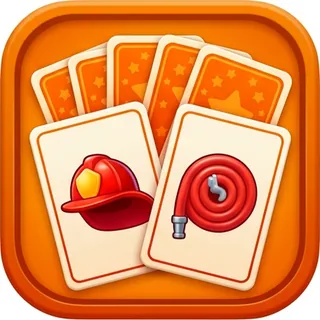
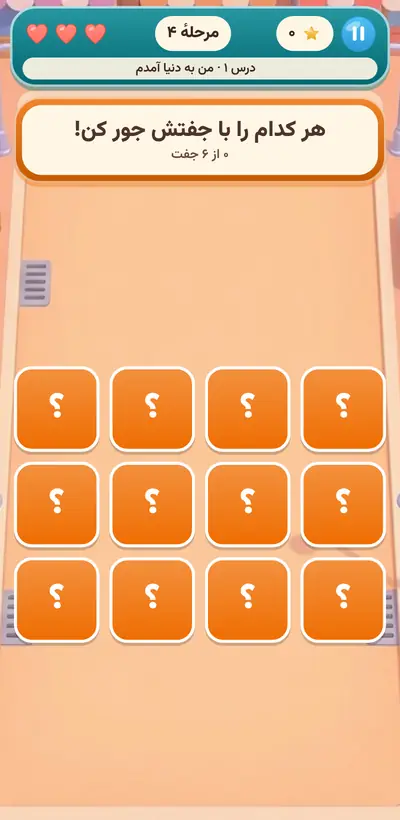
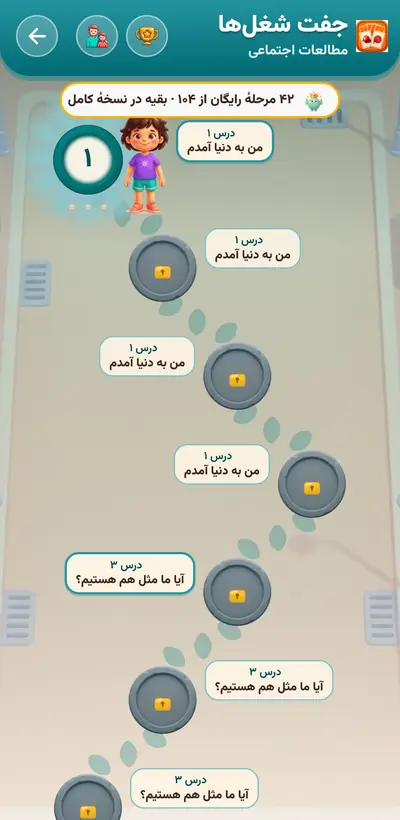
Job Pairs is a memory game with face-down cards, but the two sides of each pair aren't identical: a job and its tool, a month and its season, a province and its capital, a historic site and its province, a scientist and their book. The child flips two cards; if they match, they stay open, and if not, they turn back after a moment. In grade 3 it's relatives, neighborhood services, and “from farm to table”; in grade 5, family economics and water resources; and in grade 6, dynasty and capital, and country and continent.
Strengthening working memory
The child has to remember where each card was so they can return to it once its match turns up. Holding onto information like this for a short time is called “working memory” — the same ability used in multi-step problem solving and following a teacher's explanation in class.
Knowing through relationship
Because the two sides of a pair differ, seeing the shape isn't enough; the child has to understand the relationship: a saw is a carpenter's tool, and the Zayandeh River is in Isfahan. Social knowledge turns into a web of connections this way, which is easier to recall than a memorized list.
Respect for other people's work
The tool-and-workplace levels put the child face to face with the variety of jobs, from baker and tailor to doctor and pilot. Knowing the tools of a job makes the effort behind it easier to see, and the child understands that any job serving people has value.
A pause before the tap
A card without its match simply turns back, and next time the child comes to it knowing more. These returns teach the child to pause and recall instead of tapping over and over without thinking; a simple exercise for reining in haste and holding focus.
A tip for parentsMake a homemade deck of cards from cardboard: write “father's sister” on one and “aunt” on its match. Then take turns playing with family members. When the grown-ups take the game seriously too, the child gets to enjoy a friendly family competition.
 Nikipoo School

 Grade 3104 levels
 Grade 488 levels
 Grade 5116 levels
 Grade 6116 levels